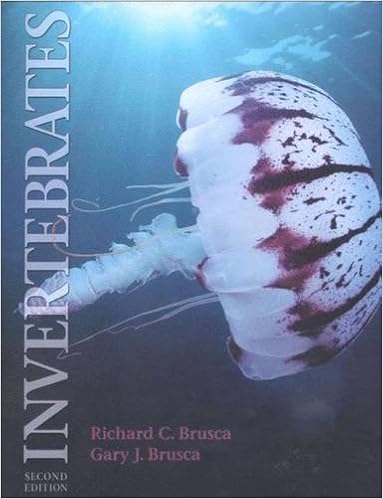
 Invertebrates, 2nd edition presents a modern survey of the 34 animal phyla (plus
the Protista) and serves as both a college course text and a reference on
invertebrate biology. Thorough and up-to-date, it is organized around the
themes of bauplans (body plans) and evolution (phylogenetics). Detailed
classifications, phylogenetic trees, and references for all phyla are provided.
The text is accompanied by an abundance of detailed line drawings and-new to
this edition-four-colour photographs.
Invertebrates, 2nd edition presents a modern survey of the 34 animal phyla (plus
the Protista) and serves as both a college course text and a reference on
invertebrate biology. Thorough and up-to-date, it is organized around the
themes of bauplans (body plans) and evolution (phylogenetics). Detailed
classifications, phylogenetic trees, and references for all phyla are provided.
The text is accompanied by an abundance of detailed line drawings and-new to
this edition-four-colour photographs. Other key changes from the First Edition (1990) include:
The incorporation of all the new developments in phylogenetics, developmental biology, and molecular genetics
Major changes at the highest levels among the invertebrates. Three phyla that appeared in the original book-Pentastomida, Pogonophora, and Vestimentifera-no longer exist, and an entire new phylum, Cycliophora, has been erected. Moreover, this edition discusses recent work in molecular systematics.
A large new section on "Kingdom Protista" (replacing "Protozoa") containing new contemporary views of these organisms (arranged in 17 phyla).
Autor: Richard C. Brusca & Gary J. Brusca
Publicación: Estados Unidos : Sinauer Associates, 2002
Este libro es una nueva adquisición del Sistema de Bibliotecas, y desde ahora puede ser consultado en la Biblioteca del Carmen de Viboral, Colección general, 592/B912i


